


Colombia: Threats Against Community Leaders
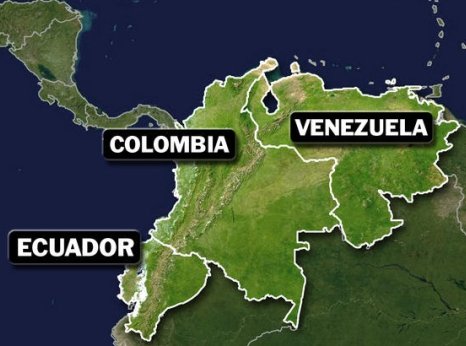
The Orinoquian plains comprise vast territories with abundant water resources, enormous agricultural and livestock potential, and significant oil reserves. Far from Colombia’s main urban centres, these lands, traditionally inhabited by Indigenous peoples, have for decades been subjected to violent occupation by actors seeking to seize the land, formalise ownership through fraudulent means, and then sell it to those interested in developing agro-industrial or oil projects.
At the same time, Indigenous communities and peasant communities, often created by people forcibly displaced from other parts of Colombia, have built settlements and maintained peasant practices that frequently clash with the interests of those who have seized the lands, or even those who have purchased it alleging good faith and the search for economic development. The State has long had the responsibility of clarifying land ownership, taking into account the rights of victims of dispossession and forced displacement. Despite the existence of a Land Restitution System and efforts to advance a rural reform, many conflicts remain, and peasant and Indigenous communities continue to face threats and attacks for defending their land and territorial rights.
El Porvenir and Matarratón are peasant communities that preserve traditional peasant (campesino) cultural practices in the Colombian Orinoquian plains, on the banks of the Meta River in the municipality of Puerto Gaitán, Meta department, near the border with Casanare and Vichada departments. In the late 1980s, the inhabitants of these communities were threatened by armed groups and forced to abandon their lands, which were then illegally occupied and sold. Since then, they have fought to recover their territory amid ongoing threats and risks, as documented by Amnesty International in its 2014 report A land title is not enough: Ensuring sustainable land restitution in Colombia (AMR 23/031/2014). In 2016, Constitutional Court ruling SU-426 ordered the National Lands Agency to allocate the territory to its “historical inhabitants”, but almost a decade later the orders remain unimplemented.
Amnesty International has previously warned of threats against leaders from these peasant communities, issuing urgent actions in 2015 and 2019. The latter concerned Luz Marina Arteaga, a historic leader and spokesperson for the land restitution process in Matarratón and El Porvenir, who faced numerous threats for her work, and was forcibly disappeared in January 2022. Her body was found later on the banks of the Meta River in Orocué, Casanare department.
Neighbouring communities have joined El Porvenir and Matarratón in their struggle for the recognition of land rights, including the Indigenous community of ASEINPOME, which has also been subjected to threats for its territorial claims, as publicly denounced by Amnesty International. Despite these efforts, threats and attacks, often in impunity despite denounces, continue to undermine access to land and territorial rights for communities across the Colombian Orinoquian plains, as this recent threat against the communal board presidents of Matarratón and El Porvenir, that was publicly denounced by the Corporación Claretiana Norman Pérez Bello.