Rights in Focus
Rights in Focus brings together research, expert perspectives, and lived experience to tackle today’s most pressing human rights challenges. From uncovering violations to shaping solutions and sparking dialogue, it connects evidence with action, ensuring human rights remain at the heart of decision making.

What is Rights in Focus?
Rights in Focus is built around three core strands, each designed to inform, influence, and inspire change.
Research
Evidence that drives change
Our research shines a light on human rights issues and sets out clear, actionable recommendations including:
- In-depth analysis uncovers violations and emerging risks.
- Evidence-based insights inform policy and practice.
- Practical recommendations support government action.
By combining rigorous research with advocacy, we help ensure human rights remain central to decision-making.
Expert insights
Diverse perspectives, shared solutions
We bring together human rights experts, academics, policymakers, and people with lived experience to explore solutions to today’s key challenges. Through collaboration and exchange, we:
- Share informed analysis on complex issues.
- Highlight the role of human rights in shaping solutions.
- Promote approaches grounded in dignity and equality.
These insights help guide decision-making and strengthen the case for human rights in policy.
Events
Dialogue that turns into action
Our events create space for meaningful conversation, bringing together experts, advocates, and decision-makers.
- Explore pressing issues and practical solutions.
- Connect evidence with lived experience.
- Foster collaboration across sectors.
Often delivered in partnership with other organisations, these events help influence policy, inspire change, and keep human rights firmly on the agenda.

Join our Rights In Focus mailing list
Would you like to receive the latest Rights in Focus updates including new research, thought-provoking articles, upcoming events and more straight to your inbox?
Not sure where to start?
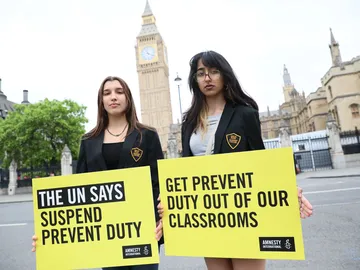
Drawing on expert analysis and international context, this collection of essays explores the use of terrorism legislation, critiques the Prevent duty, and considers options for reform.

This guest article examines how Sections 12 and 13 of the Terrorism Act 2000 have been applied beyond their original purpose of preventing violence, focusing on their impact on protest movements and political expression.
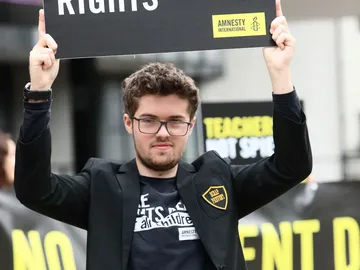
This guest article examines the UK’s Prevent duty, focusing particularly on its impact in schools and its implications for human rights.

In this guest article, Fionnuala Ní Aoláin argues that post‑9/11 counter‑terrorism has fuelled authoritarianism and eroded human rights, calling for a new, dignity‑based approach.
Emma Norton of the Centre for Military Justice writes: weakening the protections of the European Convention on Human Rights (ECHR) is bad for the armed forces, and bad for all of us.
Essays from leading experts, on how the UK government can develop a progressive, human rights-based foreign policy.
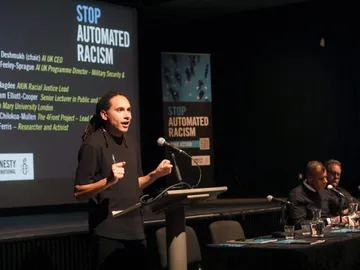
Dr Adam Elliott-Cooper explains how modern policing has always been predictive.
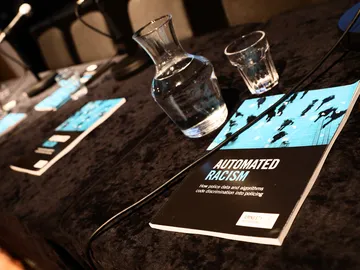
Leah Cowan explains why policing exacerbates a crisis of harm
Across England and Wales, the increasing use of collective forms of punishment such as joint enterprise and conspiracy is a criminal legal system practice that disproportionately affects and harms Black and racially minoritised people. In Manchester,…
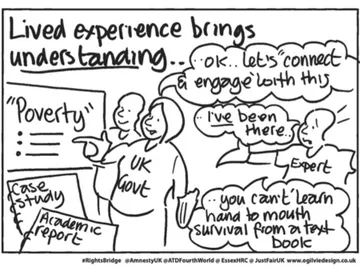
Community worker Tracey Herrington explains why those with lived experience of disadvantage must take part in policy-making. This essay is part of a collection of thought pieces curated by Labour Campaign for Human Rights and Amnesty International UK.

Luise Schroter, policy and campaigns officer at Corporate Justice Coalition, calls for a new law to improve corporate accountability. This essay is part of a collection of thought pieces curated by Labour Campaign for Human Rights and Amnesty…
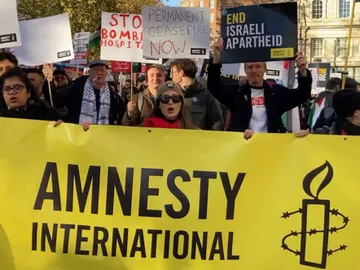
Human rights law professor David Mead argues that new legal restrictions on disruptive protest must be reversed. This essay is part of a collection of thought pieces curated by Labour Campaign for Human Rights and Amnesty International UK.

Teacher Kim Hurd says that human rights education teaches tolerance and respect and combats discrimination. This essay is part of a collection of thought pieces curated by Labour Campaign for Human Rights and Amnesty International UK.
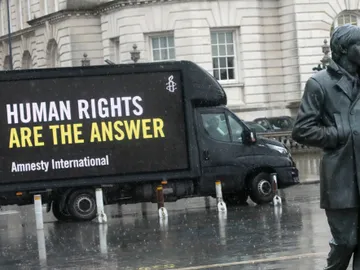
Leading human rights barrister Jamie Burton KC argues that the new Labour government needs to embed social rights in the constitution
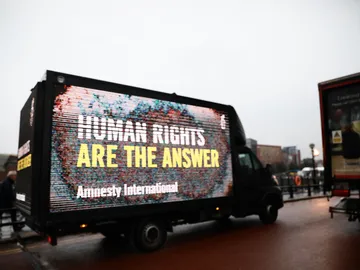
Essays from leading experts explore themes ranging from mass atrocities around the world to unprecedented levels of homelessness in the UK. This thought-provoking collection is curated by Labour Campaign for Human Rights and Amnesty UK

Gabriela Quevedo from Latin American Women’s Aid explains the challenges and opportunities for supporting Black and minoritised survivors of violence. This essay is part of a collaboration of thought pieces by Amnesty International UK and Labour Campaign…
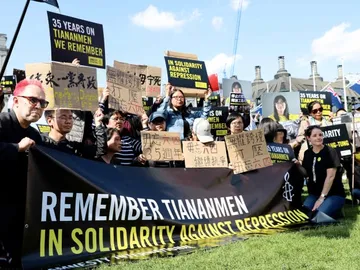
Benedict Rogers is a human rights activist and writer, co-founder and chief executive of Hong Kong Watch and co-founder and deputy chair of the Conservative Party Human Rights Commission. He argues that the UK government needs a clear, consistent and…
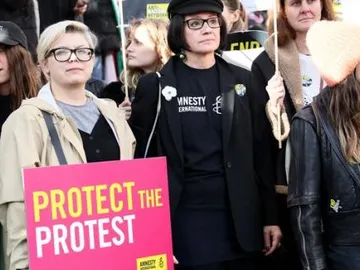
Liberal Democrat Irina von Wiese, a lawyer and civil rights activist, says the new government must reverse the creeping erosion of human rights in recent legislation and restore the right to protest in the UK.

Lawyer and parliamentarian Lord Garnier traces the story of Europe’s Human Rights Convention and Court. He warns critics that moving away from it would create a massive headache for any UK prime minister – and leave us all worse off.
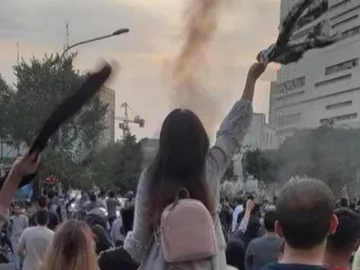
Foreign policy should protect women’s rights as a core part of human rights and international law. This, says Conservative peer Baroness Helic, is part of the route to security and prosperity for Britain.
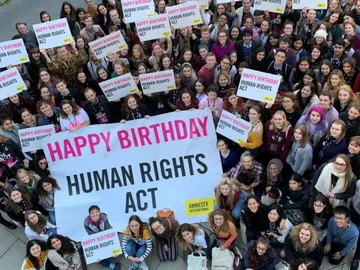
Francesca Klug, visiting professor at LSE Human Rights, asks if we stand at a watershed moment for human rights in the UK. This essay is part of a collaboration of thought pieces by Amnesty International UK and Labour Campaign for Human Rights.

Deputy Leader of Birmingham City Council and Deputy Mayor of West Midlands Combined Authority, Sharon Thompson tells the incoming government to ‘implement an effective housing strategy. This essay is part of a collaboration of thought pieces by Amnesty…

TUC Anti–Racism Officer Riz Hussain explains the harsh and insecure world of the gig economy and suggests solutions to improve workers’ rights. This essay is part of a collaboration of thought pieces by Amnesty International UK and Labour Campaign for…