Toxic Twitter: A Toxic Place for Women

Overview
As the world becomes increasingly connected online, our reliance on social media platforms such as Twitter has also become increasingly important. But the online world, and social media platforms like Twitter are not immune to many of the human rights abuses that women face offline.
Over the last 16 months, Amnesty International has conducted qualitative and quantitative research about women’s experiences on social media platforms including the scale, nature and impact of violence and abuse directed towards women on Twitter, with a particular focus on the United Kingdom (UK) and the United States of America (USA). Such abuse includes direct or indirect threats of physical or sexual violence, discriminatory abuse targeting one or more aspects of a woman’s identity, targeted harassment, and privacy violations such as doxing or sharing sexual or intimate images of a woman without her consent.
Over the course of this research, Amnesty International interviewed 86 women both individually and in groups in the UK and USA. We spoke to female politicians, journalists, activists, bloggers, writers, comedians, games developers as well as women who use the platform but do not have a large following. Amnesty International also spoke with dozens of experts in the United Kingdom and United States working in the field of women’s rights, identity-based discrimination, technology, and digital rights about violence and abuse against women on social media platforms. Amnesty International consulted with multiple organizations and individuals, particularly in the UK, when developing our recommendations and solutions for Twitter. The research highlights the particular experiences of violence and abuse on Twitter against women of colour, women from ethnic or religious minorities, lesbian, bisexual or transgender women – as well as non-binary individuals – and women with disabilities, to expose the intersectional nature of abuse on the platform. In November 2017, the organization commissioned Ipsos MORI to conduct an online poll in 8 countries, including the UK and US, about women’s experiences of abuse or harassment on social media platforms more generally and its impact on women’s freedom of expression online as well as the psychological impact of online abuse and harassment.
Overall, our findings paint a worrying picture that Twitter can be a toxic place for its female users. The company’s failure to meet its responsibilities regarding violence and abuse means that many women are no longer able to express themselves freely on the platform without fear of violence or abuse.
Resource details
Publication date
Resource type
Read the report

Join our Rights In Focus mailing list
Would you like to receive the latest Rights in Focus updates including new research, thought-provoking articles, upcoming events and more straight to your inbox?
-
 Twitter Scorecard (2021): Tracking Twitter’s progress in addressing violence and abuse against women online in the United States
This follow up report report assesses Twitter’s progress on tackling abuse against women in the United States, finding limited implementation of recommendations and ongoing gaps in transparency and accountability.
Reports and publications 07 Dec 2021 -
 Twitter Scorecard (2020): Tracking Twitter’s progress in addressing violence and abuse against women online
This scorecard is designed to track Twitter’s global progress in addressing abusive speech against ten indicators, covering transparency, reporting mechanisms, the abuse report review process, and enhanced privacy and security features.
Reports and publications 21 Sep 2020 -
 UK: Technical explainer on X’s recommender system and the 2024 racist riots
This technical explainer examines how false claims following the Southport attack spread on X, fuelling racist riots, and finds the platform’s algorithms amplify inflammatory content with harmful human rights consequences.
Reports and publications 06 Aug 2025


Related content
Fewer than 1 in 10 British women think Twitter is doing enough to stop online violence and abuse
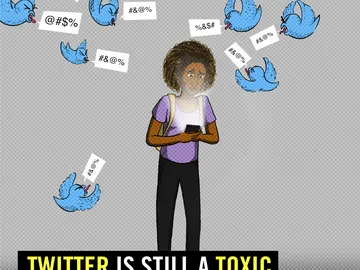
Amnesty International has graded Twitter on progress to keep women safe on platform
USA: Twitter failing to protect pro-choice abortion activists from online violence