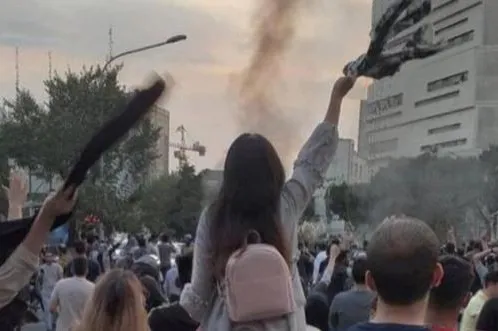
Freedom of expression
Freedom of expression in the UK protects the right to seek, receive and share ideas without interference, though restrictions exist to prevent harm and safeguard others.

Is freedom of speech a human right?
In the UK, Article 10 of the Human Rights Act protects our right to freedom of expression:
Everyone has the right to freedom of expression. This right shall include freedom to hold opinions and to receive and impart information and ideas without interference by public authority and regardless of frontiers.
Are freedom of speech and freedom of expression the same thing?
In the UK, freedom of speech is legally one part of the wider concept of freedom of expression.
Does freedom of speech have limits?
You might not expect us to say this, but in certain circumstances free speech and freedom of expression can be restricted.
Governments have an obligation to prohibit hate speech and incitement. These are dangerous.
Restrictions can also be justified if they protect specific public interest or the rights and reputations of others.
Any restrictions on freedom of speech and freedom of expression must be set out in laws that must in turn be clear and concise so everyone can understand them.
People imposing the restrictions - whether they are governments, employers or anyone else - must be able to demonstrate the need for them, and they must be proportionate.
Anti-protest laws in the UK
All of this has to be backed up by safeguards to stop the abuse of these restrictions and incorporate a proper appeals process.
Restrictions that do not comply with all these conditions violate freedom of expression, like the swathe of anti-protest laws introduced in the UK in recent years.
Checks and balances
Specifics
Any restriction should be as specific as possible. It would be wrong to ban an entire website because of a problem with one page.
National security and public order
These terms must be precisely defined in law to prevent them being used as excuses for excessive restrictions.
Right now in the UK, the right to freedom of expression is under threat by anti-protest legislation in the UK.
Morals
This is a very subjective area, but any restrictions must not be based on a single tradition or religion and must not discriminate against anyone living in a particular country.
Rights and reputations of others
Public officials should tolerate more criticism than private individuals. So defamation laws that stop legitimate criticism of a government or public official, violate the right to free speech.
Blasphemy
Protecting abstract concepts, religious beliefs or other beliefs or the sensibilities of people that believe them is not grounds for restricting freedom of speech.
Media and journalists
Journalists and bloggers face particular risks because of the work they do. Countries therefore have a responsibility to protect their right to freedom of speech. Restrictions on Newspapers, TV stations, etc can affect everyone’s right to freedom of expression.
Whistleblowers
Government should never bring criminal proceedings against anyone who reveals information about human rights abuses.
Rights and responsibilities
Freedom of expression and free speech is one of our most important rights and one of the most misunderstood.
Use your freedom of speech to speak out for those that are denied theirs.
But use it responsibly - it is a powerful thing.
Latest updates


Donate so people worldwide can exercise their rights

Keep exploring
Browse the Knowledge Hub
Explore Freedom of expression resources that drive change, including explainers, briefings, and reports.