Words That Burn resource pack

Overview
Words That Burn is our 10-part poetry education series for secondary and further education students. The series explores a range of topics and encourages students to learn and collaborate creatively.
Resource details
Publication date
Resource types
Lesson plan, Poetry resource, Further education resources, Resource pack, Creative resource, Teaching resource, Words that burn, Secondary education resources
Age levels
Age groups
Education theme
Download

“It is important because it gives us an idea of the world’s problems and how young voices can be heard all around the world. It doesn’t matter what religion or race you are or what language you speak, everyone has a voice that should be heard.”
Year 8 Student, Severn Vale

Support human rights education
We empower young people to understand and advocate for their rights. Your gift could help fund our Amnesty Teacher Programme to educate a new generation of human rights defenders who are equipped to challenge injustices and shape a better world.
About this resource
These 10 sessions, each accompanied by poems, film and PowerPoint, support students to explore work from different poets and develop their own writing style.
In addition to the 10 sessions, we also have an introductory film that can be played to students in the first session. Written and performed by Deanna Rodger, the film articulates the powerful connection between poetry and human rights and is designed to motivate and inspire students to engage with the resources.
Words that Burn introductory film
Published by Amnesty International UK on YouTube

This content is hosted by a third party. By showing the external content you accept the terms and conditions of YouTube.
Session plans
Please read all the sessions and adapt them to suit your class. They can be taught separately or used as a secure unit of work in which students can build their own poetry anthology.
Session 1: being heard
Talented spoken-word artists reveal their urge to write in a documentary which helps students explore the right to freedom of expression. Students then read thought provoking human rights poetry and create similes and metaphors for freedom.
Session 2: being me
On film, Dean Atta shows there are many ways to be a poet. After reading and discussing his poem I Come From, which raises interesting questions about identity, students collaborate to tell their own stories.
Session 3: freedom
A photo from World War II inspired a famous poem, The Boy With His Hands Up by Yala Korwin. Students explore how to use language to take a stand after reading poetry written in response to injustice. After looking at human rights law, students write a poem in response to a photograph of a human rights violation.
Session 4: change
Students learn that everyone has a role to play in upholding human rights – in their school, community and world. They read poetry that acknowledges struggles and difficulties but also possibilities to positively change the world. Students write their own dream for the future triggered by I Dream A World by Langston Hughes.
Session 5: witness
On film, poet Emtithal Mahmoud asks students to ‘bear witness’ to her experiences of genocide in Darfur. Students look at poetic responses to war and human rights abuses to understand that poetry can destroy silence and create remembrance. They then choose a photograph and let events speak through their writing.
Session 6: dignity
Students read poems about equality and discrimination – and can watch performances by the poets bringing their words to life. This will inspire them to write a poem from the perspective of someone who has experienced hate crime.
Session 7: speak up
Students explore how words can help process feelings of anger and helplessness – and bring about self-empowerment and social change – by reading poetry about racism, police violence and disability. They then write their own work about power and privilege.
Session 8: power
Throughout history, words and poetry have been used to challenge, protest and inspire change. Students watch Inja perform his poem Freedom and explore poems about race and privilege before creating their own protest poems.
Session 9: respect
Students look at the subtleties and connotations of language, and the impact words have in describing a person or event and how that influences us. They read The Right Word by Imtiaz Dharker, which explores how we see and label other people, before creating their own poem about respect.
Session 10: words that burn
Students look at how poetry can be performed and its impact on the listener. After watching different poets perform, they explore ways to bring their own words to life.
Safeguarding
Please note: this resource asks students to explore human rights themes and their own lives. Some activities may be uncomfortable or upsetting for them, and they may write about personal experiences they have not shared before. Respond to students’ reactions, questions and poetry in a way that supports self-expression and debate, and in line with your Safeguarding policy.
Key stages
The materials have been written for use in Key Stage 3: Lower Secondary (Year 7 to 9 in England and Wales; Secondary 1 to 2 in Scotland; Year 8 to 10 in Northern Ireland); Key stage 4: Upper Secondary (Year 10 to 11 in England and Wales; Secondary 3 to 4 in Scotland; Year 11 to 12 in Northern Ireland); Key Stage 5: Further education (Year 12 to 13 in England and Wales, Years 13 to 14 in Northern Ireland and Secondary 5 to 6 in Scotland).
Copyrights and credits
Copyrights and credits for poems and film clips used are added at the end of each session. This resource has been produced by Amnesty International UK in cooperation with the Centre for Literacy in Primary Education. We would like to thank Cheltenham Festivals and Barnwood Park Arts College, Cleeve School, Gloucestershire Hospital Education Service and Severn Vale School for piloting this resource, and The Poetry Hour for their support.

Join our TeachRights mailing list
Would you like to receive the latest news about our Human Rights Education work, along with free resources, information on training opportunities, and more straight to your inbox?
-
 Words that Burn session 1: Being heard
This session encourages students explore the right to freedom of expression and create similes and metaphors for freedom.
Lesson plan, Poetry resource, Further education resources, Resource pack, Creative resource, Teaching resource, Words that burn, Secondary education resources 10 Oct 2017 -
 Words that Burn session 2: Being me
Part 2 of our 10-part Words That Burn education series encourages students to explore identity and collaborate creatively to tell their own stories.
Lesson plan, Poetry resource, Further education resources, Resource pack, Creative resource, Teaching resource, Words that burn, Secondary education resources 10 Oct 2017 -
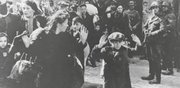 Words that Burn session 3: Freedom
This session encourages students to read poetry written in response to injustice and explore how language can be used to make a courageous stand.
Lesson plan, Poetry resource, Further education resources, Resource pack, Creative resource, Teaching resource, Words that burn, Secondary education resources 10 Oct 2017 -
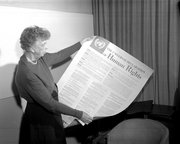 Words that Burn session 4: Change
This session encourages students to explore how everyone has a role to play in upholding human rights in their school, community and wider world, using poetry that acknowledges struggle whilst also recognising the possibility for change.
Lesson plan, Poetry resource, Further education resources, Resource pack, Creative resource, Teaching resource, Words that burn, Secondary education resources 22 Jan 2018 -
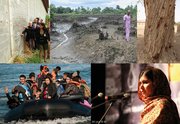 Words that Burn session 5: Witness
Poet Emtithal Mahmoud asks students to ‘bear witness’ to her experiences of genocide in Darfur. Students can then explore poetic responses to war and human rights abuses to understand how poetry can destroy silence and create remembrance.
Lesson plan, Poetry resource, Further education resources, Resource pack, Creative resource, Teaching resource, Words that burn, Secondary education resources 22 Jan 2018 -
 Words that Burn session 6: Dignity
In this session students are encouraged to write a poem from the perspective of someone who has experienced hate crime.
Lesson plan, Poetry resource, Further education resources, Resource pack, Creative resource, Teaching resource, Words that burn, Secondary education resources 10 Oct 2017 -
 Words that Burn session 7: Speak up
In this session, students are encouraged to explore how words can help process feelings of anger and helplessness, building self-empowerment, and supporting social change through poetry about racism, police violence and disability.
Lesson plan, Poetry resource, Further education resources, Resource pack, Creative resource, Teaching resource, Words that burn, Secondary education resources 22 Jan 2018 -
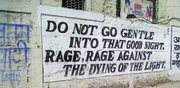 Words that Burn session 8: Power
This session encourages students to explore poems about race and privilege before creating their own protest poetry.
Lesson plan, Poetry resource, Further education resources, Resource pack, Creative resource, Teaching resource, Words that burn, Secondary education resources 02 Oct 2018 -
 Words that Burn session 9: Respect
This session encourages students to look at the subtleties and connotations of language, the impact words have in describing a person or event, and how that influences us.
Lesson plan, Poetry resource, Further education resources, Resource pack, Creative resource, Teaching resource, Words that burn, Secondary education resources 22 Jan 2018 -
 Words that Burn session 10: Words that burn
In this final session, students are challenged to Make A Difference in a Minute by standing up for human rights through poetry.
Lesson plan, Poetry resource, Further education resources, Resource pack, Creative resource, Teaching resource, Words that burn, Secondary education resources 10 Oct 2017


Related content
Learn about our Words That Burn programme
Find information on creative ways to explore human rights...
Not sure where to start? Explore education resources by theme, curated by our expert team.