


Will the Governments New Homelessness Plan Finally Deliver on the Right to Housing in England?
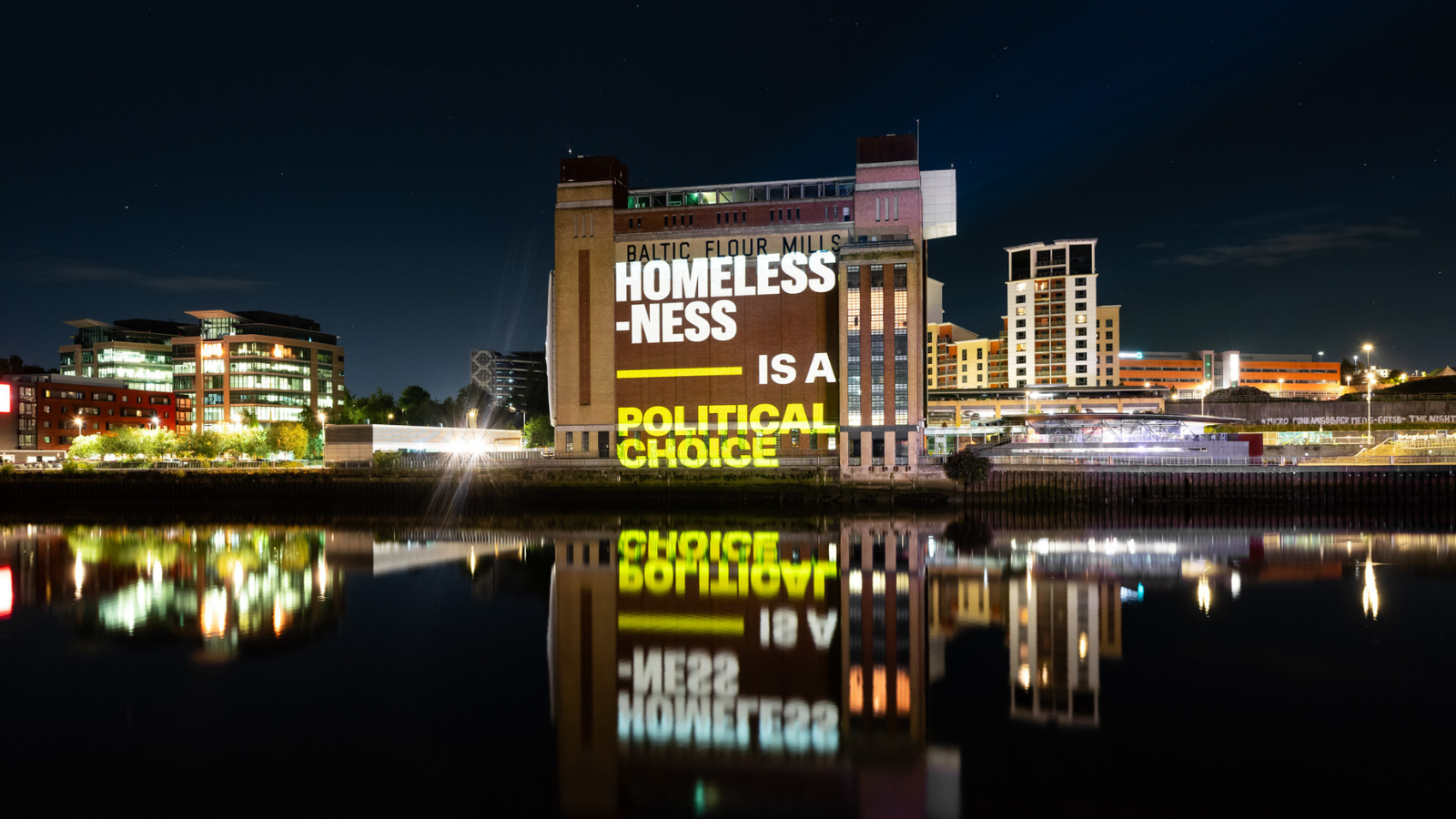
Written by Jen Clark, Economic Social & Cultural Rights Lead at Amnesty UK
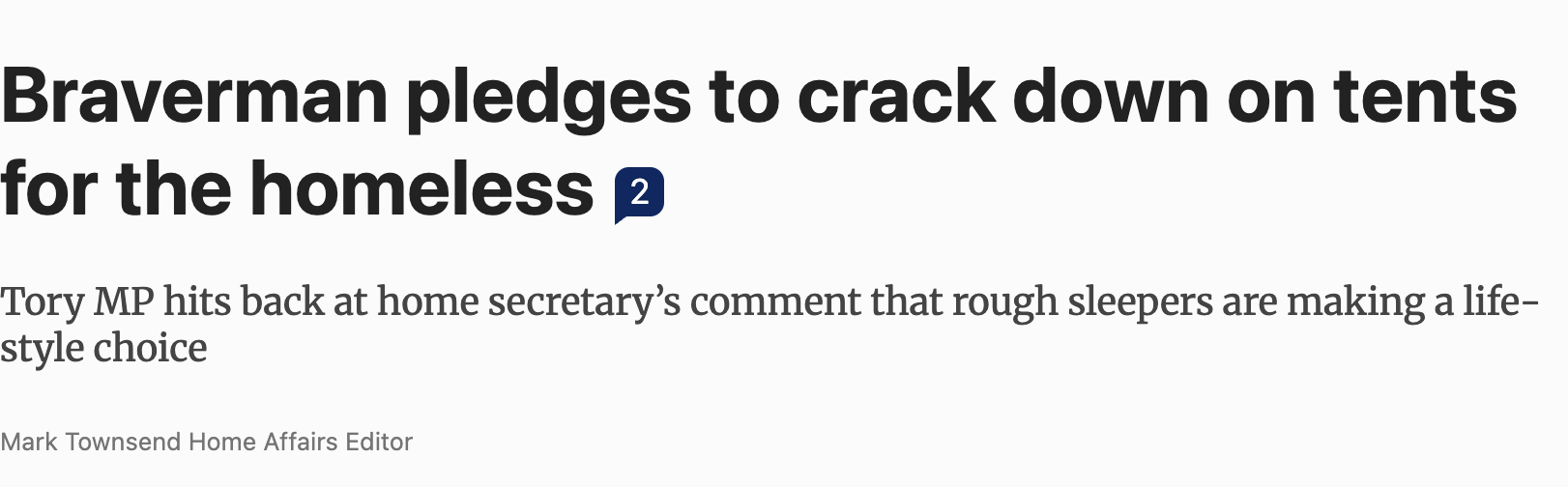
For decades, promises to end homelessness in the UK have come and gone leaving disappointment, hardship and harm in their wake (not to mention stigma - remember Suella Braverman’s attack on tents?). Successive governments rolled out strategies with admirable intentions and podium-ready slogans like “No One Left Out,” “No Second Night Out,” and “Ending Rough Sleeping for Good.” But catchy phrases don’t put safe, secure roofs over everyone’s heads and these promises have repeatedly failed to deliver meaningful, lasting change. Even the astonishing “Everyone In” policy during the pandemic, hailed as a breakthrough opportunity to succeed where other failed, only hit pause on rough sleeping. When it was no longer a politically convenient choice, people were heartlessly pushed back out.
These failures left the new Labour government inheriting a grim reality. Rough sleeping in England is at near-record levels, two and a half times higher than in 2010. And behind those headlines are families 132,410 households, including 172,420 children living in temporary accommodation. That’s not a statistic; it’s a national scandal.
When the 2024 general election was on the horizon, Amnesty International dug into every party manifesto to see if anyone was ready to make homelessness history. The verdict? We were left largely disappointed. What we found looked less like a bold accountable binding commitments and more like… a plan to make a plan.
Whilst there were promises to build baby build, Labour’s only clear manifesto pledge on homelessness was a promise to deliver a “cross-government strategy to put Britain back on track to ending homelessness.” After a long wait, last week, the governments National Plan to End Homelessness in England finally arrived.
The plan sets out a bold principle: homelessness in England should be “rare, brief, and a one-off.” To achieve this, it promises action across five pillars:
- Universal protections
- Targeted prevention
- Preventing crisis
- Emergency response
- Recovery and prevention of repeated homelessness
On paper, that sounds promising. But will this plan actually deliver its promise to get the nation back on track to ending homelessness?
At Amnesty, we’ve looked closely at the details through a human rights lens. We drew on our research on the right to housing in the UK and the work we did with Groundswell to support people with lived experience of homelessness in creating the End Homelessness Together charter.
We wanted to answer some critical questions:
- Has the government truly listened to those voices and acted on their priorities?
- When implemented, will this plan tackle the systemic failures that have kept the UK from meeting its international obligations on the Right to Housing?
- Does it respond to the recommendations made by the UN Committee on Economic, Social and Cultural Rights, who expressed grave concerns in March 2025?
- Or is this just another missed opportunity to make the right political choices?
What’s Actually in the Plan?
The government has made some big promises. Here are some highlights:
- No-fault evictions gone – Section 21 evictions will finally be banned, giving renters more security.
- More homes, more options – A pledge to build 1.5 million new homes and expand social and affordable housing.
- Fairer access – Local connection rules will be scrapped for veterans, survivors of domestic abuse, and care leavers. Plus, a new legal duty for public services to work together.
- Making housing affordable – A review of Local Housing Allowance, which has been frozen and has been below market rents for years.
- Safer, better housing – Temporary accommodation will have to meet Decent Homes Standards, Awaab’s Law (on duties to maintain safe homes) will apply to private landlords, and families won’t be stuck in B&Bs.
- Support for those most at risk – Extra help for care leavers, veterans, refugees, and people with complex needs. And no one should leave hospital or prison without a safe home to go to (including mothers and their newborn babies).
- Stopping homelessness before it starts – Measures to help people stay in their homes, halve rough sleeping, and involve people with lived experience in monitoring progress.
These sound good on paper. But here’s the problem: many of these commitments have been announced before, and the plan still doesn’t tackle the structural barriers that keep people from accessing their right to adequate housing.
Where the Plan Falls Short
The plan talks about reviewing housing allocations, but only through non-statutory guidance. That means discriminatory eligibility rules will remain like local connection requirements (with a few new exceptions), intentional homelessness assessments, and “priority need” criteria. These rules ignore a basic truth: the right to housing is universal. Some groups will still be excluded.
And while the strategy mentions targeted interventions for communities facing systemic barriers, it barely acknowledges the disproportionate impact on racialised communities and Gypsy, Roma, and Traveller groups. Without a proper equality impact assessment, we can’t know which communities will be left behind.
The plan leaves other harmful allocations practices untouched. Access to housing can still be tied to compliance with treatment plans or other conditions leaving people with complex needs, mental health issues, or substance use problems caught between the gaps. Even previous promises, like rolling out Housing First, have been watered down.
Amnesty’s Social Insecurity report released this year, exposed how the UK’s social security system violates people’s rights to housing. When wages fall short, social security should provide a safety net but it doesn’t. Payments fail to cover even basic living costs. And when this cornerstone of an adequate standard of living collapses, homelessness isn’t just possible it becomes inevitable.
Austerity didn’t end. It got rebranded. pic.twitter.com/GJBgTfDNyj
— Amnesty UK (@AmnestyUK) April 25, 2025
Local Housing Allowance hasn’t kept pace with soaring rents, making tenancies unaffordable and forcing families to choose between paying rent or heating and eating. A promise to “review” Local Housing Allowance isn’t a solution it’s a delay. It’s yet another kick of the can down the road on one of the thorniest issues driving homelessness.
Meanwhile, punitive sanctions keep pushing families deeper into debt most often for something as minor as missing an appointment. Universal Credit sanctions can strip families of 100% of their income, leaving them with nothing and making rent impossible to pay. Unless these systemic flaws of our crumbling social protections are fixed, the government cannot deliver on the right to adequate housing or end homelessness. It’s that simple.
The Bottom Line on the right to housing
Here’s the crux of the problem: this plan leans heavily on guidance, toolkits, and discretionary funding not binding in law. That means there’s no consistent legal guarantee that housing will be safe, suitable, or that support services will succeed in ensuring homelessness is rare, brief and one off. When guidance isn’t enforceable, it’s almost impossible to hold authorities accountable when they choose policy that makes poverty worse or to seek justice.
Yes, the strategy includes some welcome initiatives. But without statutory protections for the right to housing, these promises will fall short.
What Needs to Happen Next
If the government is serious about ending homelessness, it must go beyond good intentions and make the right to housing a legal reality. That means:
- Embedding the right to adequate housing in law not just good practice guidance and addressing discriminatory eligibility conditions for access to housing.
- Fixing affordability by raising Local Housing Allowance and ending punitive sanctions.
- Carrying out a full equality impact assessment to ensure no one is left behind.
- Listening to people with lived experience and acting on their priorities.
Homelessness doesn’t have to be inevitable, especially in the sixth richest country in the world. Homelessness is a political choice. By applying a human rights lens to the implementation of National Plan to End Homelessness, the UK has a chance to make the right choices.
Our blogs are written by Amnesty International staff, volunteers and other interested individuals, to encourage debate around human rights issues. They do not necessarily represent the views of Amnesty International.
0 comments