
Iran, Lebanon and the wider Middle East Crisis
Amnesty International is urging all parties to end the suffering of civilians with a genuine and sustainable ceasefire. The conflict has taken a devastating toll on civilians, with thousands of people killed, displaced, and millions across the entire region living in fear with their lives on hold.

What is happening in the region?
On 28 February 2026, the United States and Israel launched military strikes on Iran, killing the country’s Supreme Leader, Ayatollah Ali Khamenei, along with other senior figures and targets across the country.
In response, Iran launched retaliatory attacks across the region and imposed an internet blackout within Iran - which has partially been restored across the country.
A US-Iran deal was announced on 18 June 2026 to end a months-long war that spilled into neighbouring countries in the Middle East, killing more than 6,000 people and rattling the global economy.
What is Amnesty International's position on the crisis?
Amnesty welcomes the news of the US-Iran deal, especially for the millions across the region who have been living in limbo for the past few months.
However, to achieve a genuine, sustainable and enduring end to the hostilities, the deal must prioritise protecting human rights, hold those responsible for the war crimes committed over the past four months to account and ensure justice and reparations for those affected.
A framework agreement that only temporarily pauses the fighting but ignores human rights risks allowing abuse, injustice, occupation and repression to carry on indefinitely.
This extends to Lebanon, where Israeli authorities continue to brazenly refuse to withdraw their troops from Lebanon, despite the agreement stipulating that all parties will cease military operations. Civilians in Lebanon, who have already endured so much, must be protected from more attacks and not be permanently displaced from their homes.
Amnesty International also considers the US-Israel attack against Iran to be unlawful and in violation of the UN Charter, which forbids the use of force when not in self-defence or when authorised by the UN Security Council.
Amnesty also considers Iran's retaliation as unlawful since many of the attacks against Gulf countries appear to be directed at civilian infrastructure, are indiscriminate and disproportionate.
What is Amnesty doing about the crisis?
We’re calling for a genuine, enduring, sustained, and comprehensive regional ceasefire that covers all countries affected by this conflict, to avoid further catastrophic civilian suffering and pave the way for justice, respect for international law and long-term human rights protection for all
Amnesty International is continuing to investigate the attacks in Iran, Lebanon, Israel and across the Gulf States to assess the full impact on civilians and document any evidence of violations of international humanitarian law and human rights law, regardless of who is responsible for the actions.
Our ability to gather and verify information from Iran has been severely impacted by the internet blackout imposed by the Iranian authorities on 28 February 2026, and the Iranian authorities' refusal to allow human rights monitors into the country.
Amnesty International will continue to step up its advocacy and campaigning to urge all parties and other countries to take concrete measures to protect civilians and uphold international law.

Iran, Lebanon and the wider Middle East: Demand an immediate, comprehensive, and sustained ceasefire
This escalation must stop, and the UK government can help make it happen.
Thousands of air strikes have destroyed homes, schools, hospitals, and vital infrastructure, placing millions of civilian lives at risk.
Demand the UK government to help end the suffering of civilians by working towards an enduring ceasefire.
What should the UK government be doing?
- Publicly demand a genuine, comprehensive, and sustained ceasefire.
- Immediately suspend all arms transfers where there is a significant risk the weapons could be used to commit or facilitate serious violations of international human rights or humanitarian law.
- Refuse the use of UK airbases and airspace for military operations that may also contribute to such violations.
- The UK needs to work proactively with partners regionally and around the world to strengthen diplomacy, calling out violations and those responsible for them.
- They should use their universal jurisdiction and other extraterritorial powers to:
- Open criminal investigations against the Iranian officials allegedly responsible for crimes under international law, issuing arrest warrants where evidence permits.
- Open structural investigations into the repression of protests in Iran, especially when suspects or victims may be in the country, to uncover who ordered and carried out the abuses.
- Establish joint investigation teams with other states and justice mechanisms to look into crimes against humanity, including those linked to repeated nationwide protests.
- The UK must press Iranian authorities to cooperate with international accountability efforts, including granting access to UN experts from the Fact‑Finding Mission and the UN Special Rapporteur.
- Protect access to information and freedom of expression, including by ensuring the immediate restoration of internet access across Iran.
- Ensure all statements and policies unequivocally oppose Israel’s invasion of Lebanon, including plans for civilian‑free buffer zones, destruction of civilian infrastructure, and the forced displacement of civilians.
- Encourage Lebanon to engage with the ICC to investigate crimes committed on its territory since October 2023.
Latest updates


Donate to support our work on civilian protection

Keep exploring
Browse the Knowledge Hub
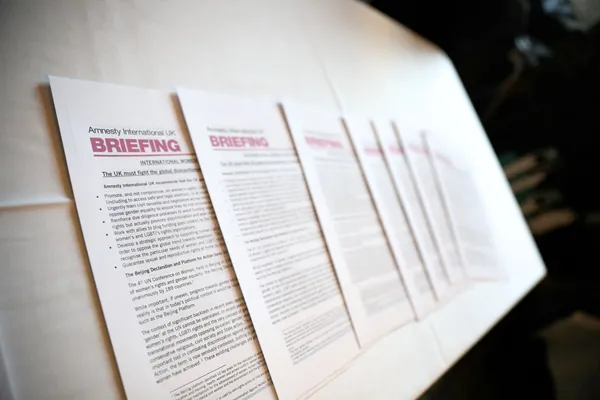
Explore Iran, Lebanon and the wider Middle East Crisis resources that drive change, including explainers, briefings, and reports.
View all news and updates
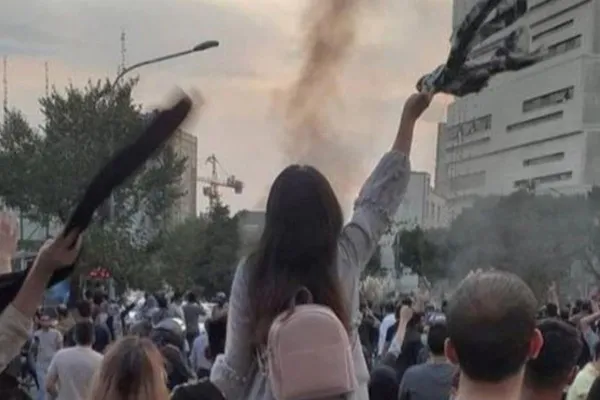
Dive deeper into news, commentary and updates on Iran, Lebanon and the wider Middle East Crisis.