Latest
Latest news, commentary, and analysis from Amnesty International UK.
Showing 1813 articles
-
 Myanmar: Reported sea tragedies highlight desperate choices facing Rohingya
Amnesty International responds to reports that over 500 people are feared dead after boats carrying mostly Rohingya refugees capsized off the coast of Myanmar
16 Jul 2026 Press release -
 The UK government must end its attack on jury trials
We unpack the negative impact of the UK government's proposed Courts and Tribunals Bill 2026 on your right to a fair trial and right to protest
15 Jul 2026 Blog post -
 Global: States must push back against reprehensible US campaign to dismantle the ICC
Amnesty UK has written to the Prime Minister urging the Government to take concrete action to defend the International Criminal Court
14 Jul 2026 Press release -
 Northern Ireland: Burning mosque effigy a ‘shameful display of hatred’
We condemn the burning of an effigy of a mosque on top of a bonfire in Moygashel, Co. Tyrone and praise the PSNI's proactive response.
10 Jul 2026 Press release -
 UK: Amnesty response to Burnham's Gaza admission – recognition ‘a vital first step’, but action must follow
Amnesty International responds to Andy Burnham saying Labour "didn't get it right" in its initial response to Israel's military action in Gaza
09 Jul 2026 Press release -
 Saudi Arabia: Filipino domestic workers ‘entering a lottery’ of abuse and exploitation in Saudi Arabia – new report
Amnesty has released a new briefing which reveals that Filipino women are being overworked, exploited and subjected to degrading treatment in Saudi Arabia
09 Jul 2026 Press release -
 A View from Amnesty: the Timms Review, poverty and the antidote to despair
Our CEO, Kerry Moscogiuri, shares her thoughts on the implications of the 2026 Timms Review of the UK's Personal Independence Payment (PIP).
09 Jul 2026 Blog post -
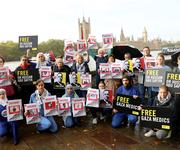 UK healthcare workers: Foreign Secretary must act ‘publicly and forcefully’ to save tortured Gaza colleague
804 doctors, nurses and medical professionals sign an open letter to Yvette Cooper demanding intervention in the case of detained Palestinian Dr Hussam Abu Safiya
09 Jul 2026 Press release -
UK: Timms Review must give disabled people the support they need – not ‘sticking plaster reform’
Amnesty International UK responds to the interim findings of the Timms report on the UK's personal independence payment (PIP)
09 Jul 2026 Press release -
 Northern Ireland: Police must act with urgency on anti-Muslim bonfire display
Amnesty International has called for police action in response to the display of an effigy of a mosque on top of a bonfire in Moygashel, Co. Tyrone.
09 Jul 2026 Press release -
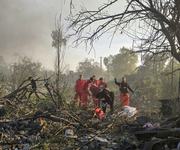 Lebanon: Israeli attacks killing children, wiping out families must be investigated as war crimes
Amnesty has uncovered that the Israeli military obliterated entire families in Lebanon, including a dozen children, within the space of just a week
09 Jul 2026 Press release -
Northern Ireland: New poll showing minority support for anti-immigrant violence must be a “wake-up call”
Amnesty has expressed deep concern at new polling showing a minority of people in Northern Ireland unwilling to condemn acts of anti-immigrant violence
08 Jul 2026 Press release -
 Israel / OPT: ‘Imminent threat to life’ – fears mounting for detained Palestinian doctor Hussam Abu Safiya
Testimony from Dr Hussam Abu Safiya’s lawyer indicates there is an “imminent threat to his life”. Amnesty is calling for his immediate and unconditional release
06 Jul 2026 Press release -
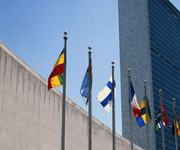 USA: Tibetan man commits self-immolation outside UN to highlight Chinese repression
Amnesty International UK responds to reports of the death of a Tibetan man following an apparent act of self-immolation outside the United Nations headquarters in New York
03 Jul 2026 Press release -
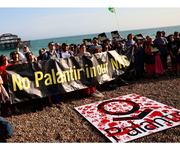 UK: NHS at 78 – Amnesty says Palantir has ‘no business anywhere near’ patient data
Palantir's record represents an inherent risk to privacy, informed consent, and public trust – the very foundations the NHS was built on
03 Jul 2026 Press release -
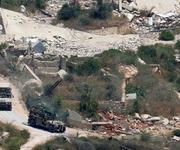 'There cannot be peace without justice' – rights and press freedom groups condemn Lebanon-Israel deal
Time and time again, we have seen civilians in Lebanon pay the price for successive cycles of conflict and serious violations and crimes under international law with no accountability
03 Jul 2026 Press release -
 Indonesia: Public caning of couple for TikTok kiss is 'inherently cruel, inhuman and degrading'
Today’s public caning of a young man and woman simply for kissing is a horrifying act of discrimination, and a grim reminder of the enduring human rights violations permitted under the Islamic Criminal Code in Indonesia’s Aceh province
02 Jul 2026 Press release -
 Saudi Arabia: Tourists and pilgrims jailed for social media posts – including British father of four01 Jul 2026 Press release
 -
 Sudan: RSF atrocities in El Fasher ‘a stain on the conscience of humanity’ – new report
The RSF committed crimes against humanity and ethnic cleansing during its campaign to seize El Fasher in Sudan, Amnesty concluded in a major new report.
30 Jun 2026 Press release -
Northern Ireland: Donaldson case exposes urgent need for inquiry into faith-based child abuse and safeguarding failures
The Donaldson conviction shows why allegations of abuse disclosed in a faith setting must be subject to robust safeguarding processes and independent scrutiny
30 Jun 2026 Press release


